Creating Continuity Across Messaging

Conversations that don't leave, as messaging expands across the app.

Timeline
April–December 2023
Role
Product Designer · Interaction Design · Product Strategy
Team
Engineering · Content Design · Research · Data Science

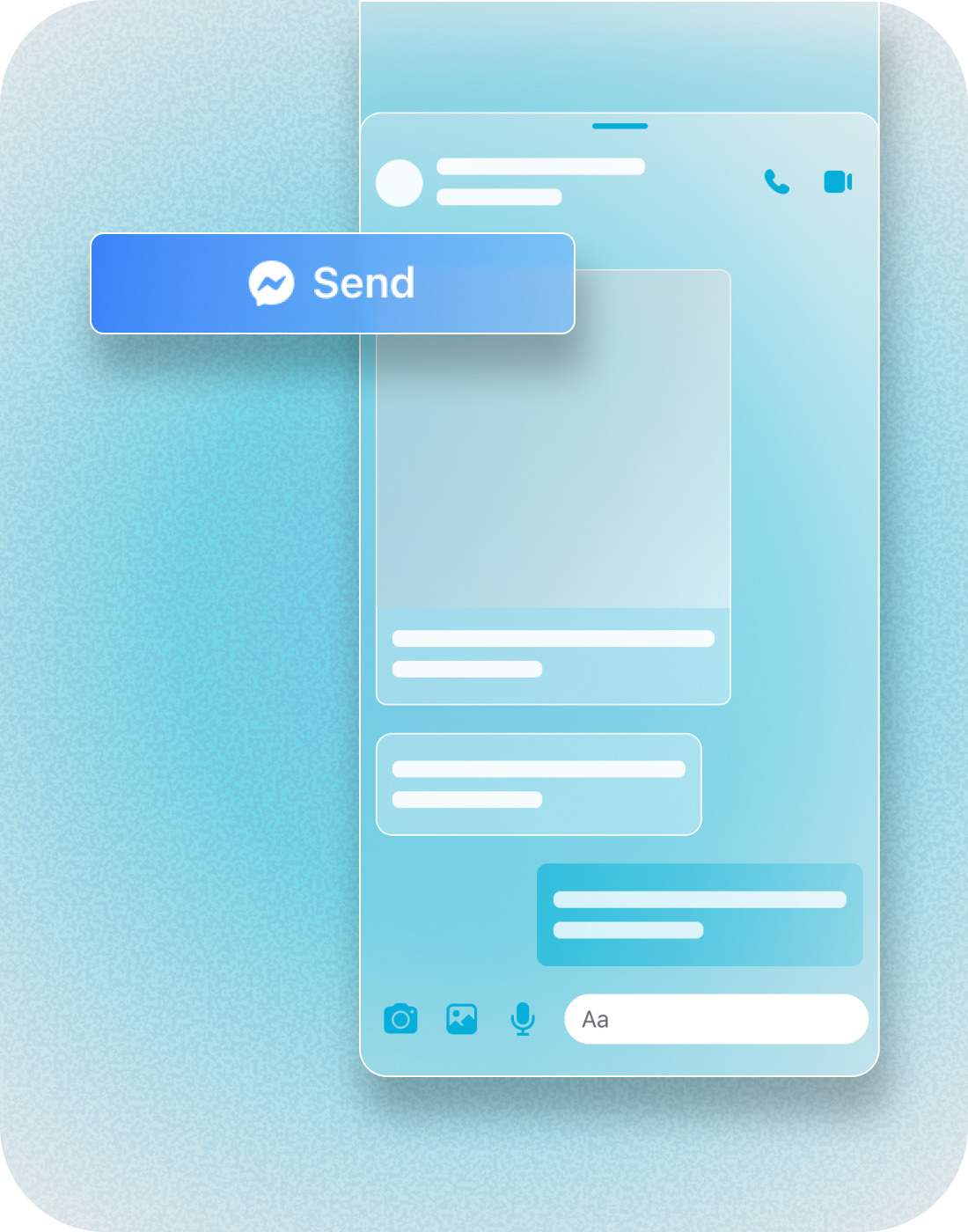
On Facebook, private sharing is how conversations start—a Reel or listing sent to one person—but continuing meant replying in Messenger. As messaging expanded, entry points designed in isolation made conversations less predictable.
Approach

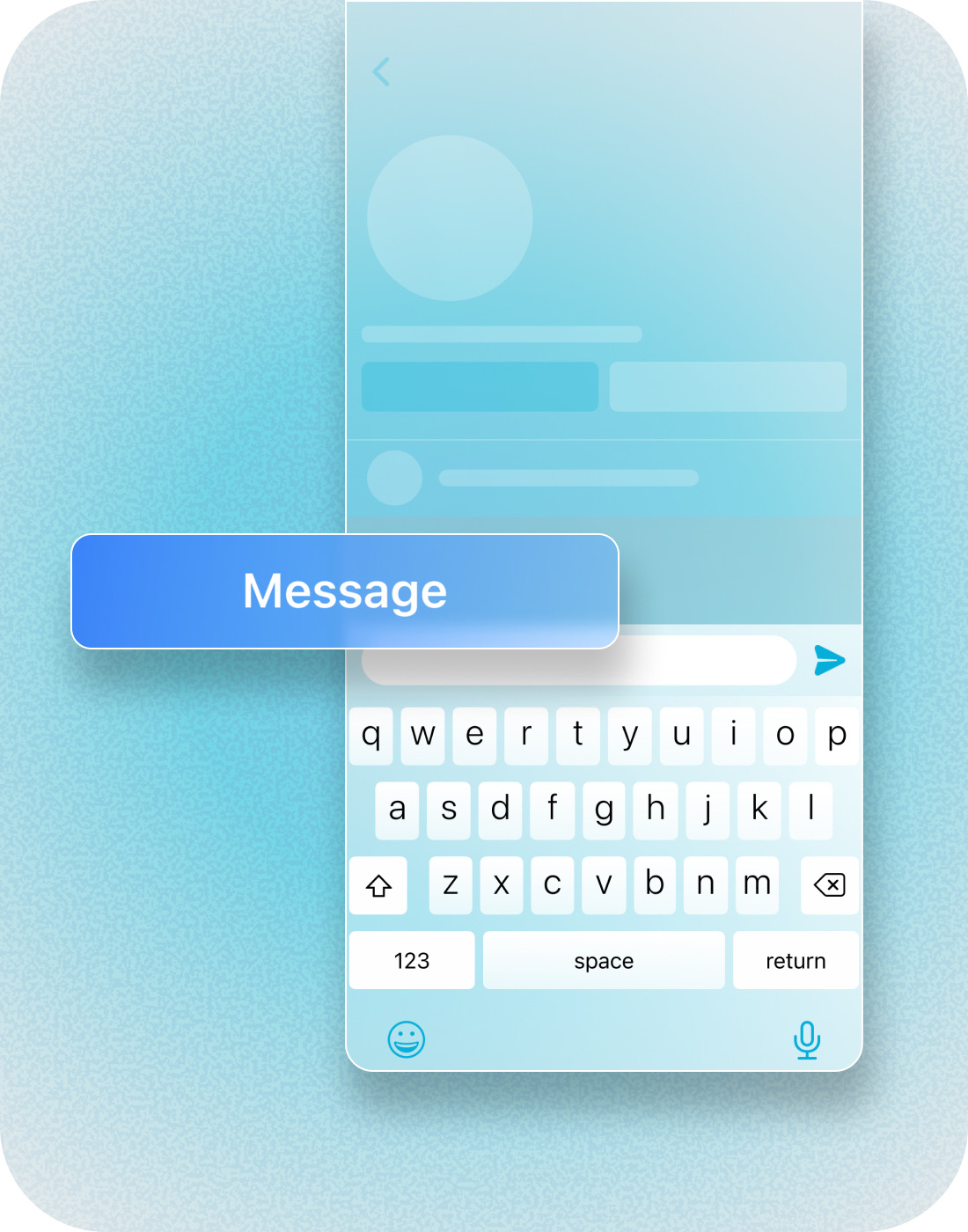
Messaging inside Facebook had grown surface by surface, with each entry point making its own decisions about what happened next. I treated it as one interaction problem instead: define the behaviors that should hold as someone starts, sends, and continues a conversation, then let each surface adapt without breaking that model.

What changed

  • In-app messaging had a shared interaction model across Facebook. 11 entry points · iOS + Android

    I defined a reusable model for how conversations begin, confirm, and continue across Facebook—clarifying when messaging should stay in context, expand into a full conversation, or hand off to Messenger.

  • Addressed large-scale switching between Facebook and Messenger. 100M+ monthly app switches in scope

    The work reframed repeated Facebook–Messenger handoffs as a shared interaction problem, defining when messaging should stay in Facebook and when Messenger remained the right destination.

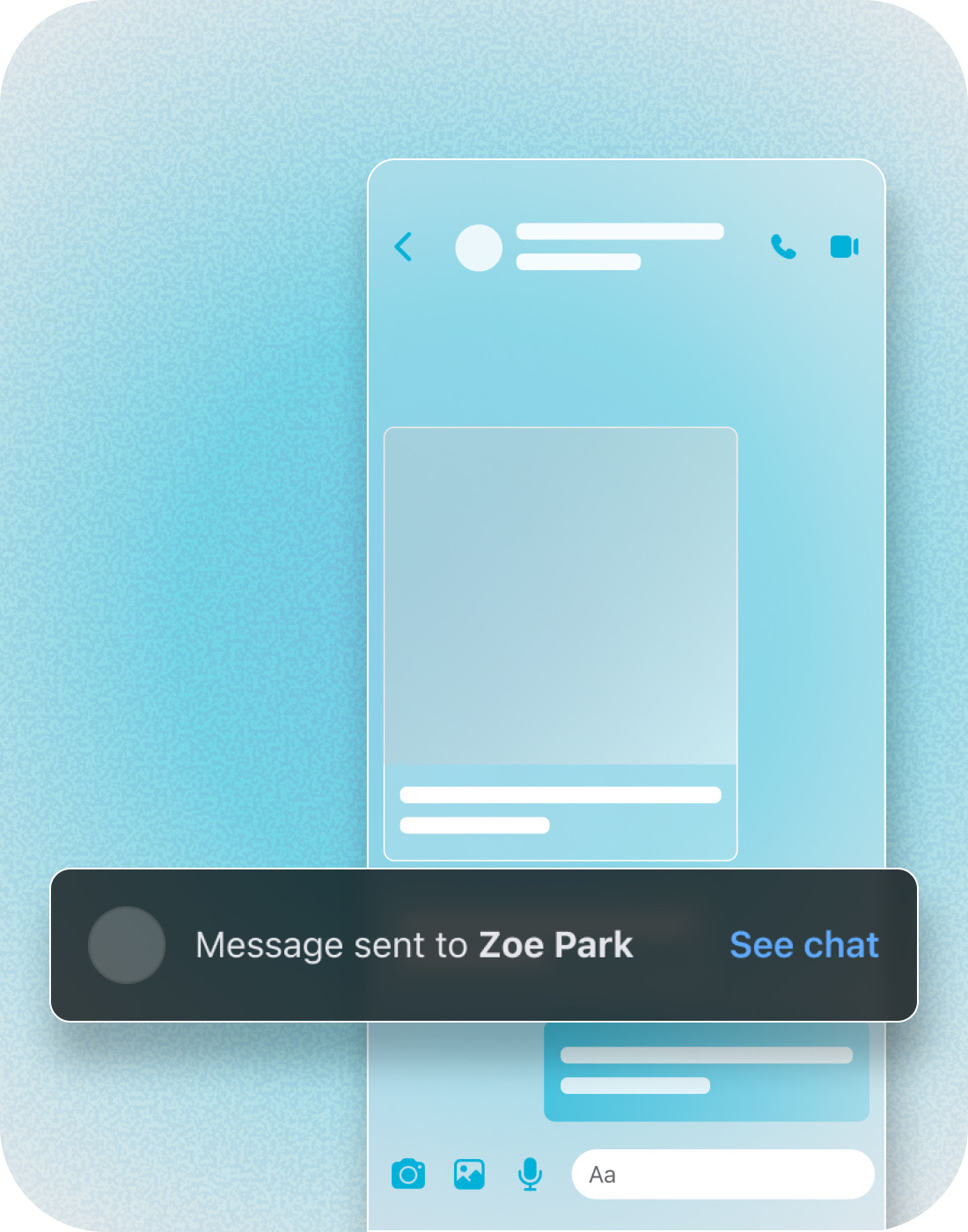
  • The post-send experience increased conversation continuation. +21.9% thread opens on iOS · +27.1% on Android

    Testing validated the selected post-send treatment, increasing thread opens on both platforms while keeping topline metrics neutral.

Full case study Go deeper into the work (opens in new tab) Need access? Request the password at ammerallj@gmail.com